Same-Day Alvin Top Air Conditioning Repair Services Available
Key Indicators You Need HVAC Repair: Keep Your Air Conditioning Comfortable Year-Round
Recognizing when an HVAC system requires repair is vital for keeping your home comfortable year-round. Odd sounds, inconsistent temperatures, and peculiar smells may all point to underlying problems. Additionally, rising energy bills and frequent cycling may indicate inefficiencies. Overlooking these indicators can result in more serious complications later on. Understanding each of these indicators can help homeowners take proactive steps in ensuring their systems function efficiently. Where should homeowners begin when assessing these issues?
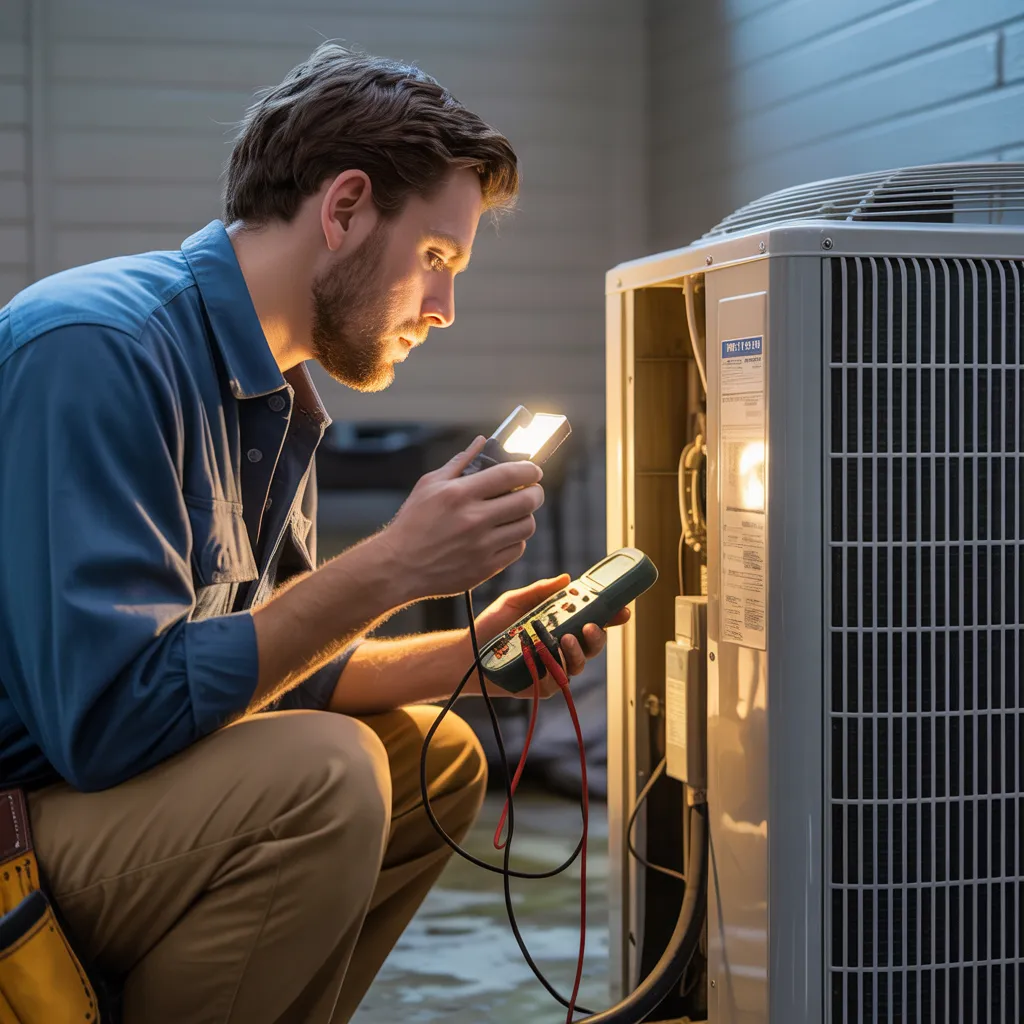
Unusual Noises Indicating HVAC Issues
Strange sounds coming from an HVAC system could point to underlying concerns that need immediate addressing. When property owners detect clanking, buzzing, or hissing sounds, it commonly points to mechanical malfunctions or airflow restrictions. For instance, a persistent banging noise may suggest loose components or debris interfering with the system's operation. Likewise, a sharp whistling sound may indicate a refrigerant leak, which not only affects performance but can also lead to more significant damage if left unaddressed.
Moreover, grinding sounds can point to damaged bearings in the system's motor, necessitating prompt repair to prevent additional deterioration. It is crucial for household members to stay alert to these acoustic signals, as they can help prevent costly breakdowns and verify the HVAC unit runs efficiently. Disregarding these indicators might cause more severe problems, underscoring the necessity of timely professional evaluation and repair.
Uneven Temperatures: What Should You Check?
Fluctuating temperatures inside a home can indicate several HVAC concerns that warrant attention. Homeowners should consider checking for possible air duct issues, symptoms of thermostat malfunctions, and refrigerant level issues. Addressing these factors can assist in reestablishing a consistent and comfortable home climate.
Possible Air Duct Issues
When homeowners encounter varying temperatures throughout their living spaces, this frequently indicates underlying duct problems. Likely culprits include leaks, blockages, or poorly dimensioned ductwork. Leaks can let conditioned air escape, lowering efficiency and producing uneven hot or cold zones. Blockages, often due to debris or dust buildup, can restrict airflow, leading to inconsistent temperatures. Moreover, incorrectly dimensioned ducts may struggle to distribute air properly, causing uneven climate control. Residents are encouraged to examine their ductwork for obvious damage and ensure all vents remain clear. Consistent maintenance, encompassing duct cleaning and sealing, can assist in preventing these concerns, supporting a more comfortable living space and boosting overall HVAC efficiency. Tackling air duct concerns without delay is vital for maintaining peak HVAC functionality.
Thermostat Failure Symptoms
In what ways can a faulty thermostat cause temperature irregularities throughout a home? A faulty thermostat may fail to accurately read the ambient temperature, leading to erratic heating or cooling cycles. Homeowners might notice rooms that are too hot or too cold, despite adjustments to the thermostat settings. Furthermore, a poorly calibrated thermostat might fail to activate the HVAC system at appropriate intervals, leading to extended periods of uncomfortable temperatures. Accumulation of dirt and debris may also obstruct the thermostat's operation, intensifying temperature inconsistencies throughout the home. Regularly checking the thermostat's display for errors or unresponsive behavior is essential. Recognizing these warning signs promptly can help avoid more serious HVAC complications, maintaining a pleasant living space throughout all seasons.
Refrigerant Level Issues
A low refrigerant level can severely affect a home's climate control. When the refrigerant is inadequate, AC systems may struggle to cool spaces effectively, leading to uneven cooling throughout the home. Homeowners may find certain rooms experiencing higher temperatures, despite the system running continuously. This irregularity can be a sign of a refrigerant leak or other hidden problems within the HVAC system. To resolve this issue, it is crucial to examine the refrigerant levels and identify any visible signs of leakage. Consulting a qualified HVAC technician can help diagnose the problem and restore proper refrigerant levels, ensuring reliable cooling and comfort year-round. Regular maintenance can keep these concerns from occurring.
Making Sense of Higher Energy Bills
Rising energy costs are often a sign of underlying problems within an HVAC system that require attention. When an air conditioning unit functions below optimal capacity, it struggles to maintain set temperature levels, leading to higher energy consumption. Well-known causes include dirty filters, which limit proper airflow, and aging components that hinder performance. Moreover, duct leaks can cause conditioned air to escape, compelling the unit to operate under greater strain.
Consistent upkeep is vital to avoid these issues, as neglected systems tend to accumulate dust and debris over time. Should energy bills increase without warning, it might suggest that the system is failing to perform at maximum efficiency. Property owners would benefit from scheduling an energy audit to pinpoint inefficiencies. Consulting a certified HVAC professional can offer guidance on required repairs or upgrades, guaranteeing the system operates efficiently and assists in controlling energy expenses effectively. Tackling these concerns in a timely manner can result in enhanced comfort and reduced utility bills.
Unusual Smells Coming From Your HVAC System
What could cause strange odors emanating from an HVAC system? Various factors can contribute to these unsettling smells, signaling potential issues requiring attention. A musty odor may indicate mold or mildew growth within the ducts, often resulting from excess moisture. In contrast, the smell of burning could indicate electrical faults or overheating parts, making an immediate inspection necessary. Furthermore, a sharp, pungent smell could be a sign of a refrigerant leak, which can both reduce system performance and create health hazards.
If a sweet smell is detected, it might indicate coolant leaks, which can be dangerous. Furthermore, a strong sulfur-like stench commonly suggests a fuel leak, which is a serious hazard and requires urgent professional intervention. These odors should never be overlooked by homeowners, as they can affect indoor air quality and overall comfort. Addressing HVAC issues quickly is vital to maintaining a safe and enjoyable home environment.
The Influence of Frequent Cycling on HVAC Operation
Unusual smells from HVAC systems frequently signal underlying problems, but a frequent cycling issue is another widespread concern. This takes place when the system repeatedly switches on and off over short time spans, which can lead to decreased efficiency and increased wear on components. Repeated cycling can often be traced to causes like thermostat failures, clogged filters, informative guide or insufficient refrigerant levels.
The consequence of this cycle pattern is significant; it places extra stress on the compression system and other vital components, possibly reducing the system's overall longevity. Moreover, frequent cycling can cause irregular temperature levels throughout the home, rendering the environment uncomfortable for occupants.
Property owners must address this concern without delay to avoid expensive repairs or system breakdown. Routine maintenance, which includes changing filters and regular system inspections, can aid in preventing excessive cycling and confirm the heating and cooling system functions efficiently throughout the year. Recognizing this problem is essential for preserving a pleasant indoor environment.
Poor Interior Air Quality: Signs Your HVAC System Needs Repair
Inadequate indoor air quality can indicate that an HVAC system requires attention. Symptoms including higher levels of allergens and dust, offensive odors, and fluctuating temperature levels point to underlying issues. Identifying these signs is essential for ensuring a comfortable and healthy living environment.
Higher Levels of Allergens And Dust
A noticeable increase in allergens and dust within a home frequently indicates underlying problems with the HVAC system. When the system is operating as intended, filters and air ducts should effectively trap dust, pollen, and other particles, maintaining clean indoor air. However, if homeowners notice an increase in respiratory irritants and dust buildup, it could suggest that filters are blocked or deteriorated, reducing airflow and overall efficiency. Furthermore, aging or defective components can struggle to distribute air properly, leading to stagnant conditions that foster allergen buildup. It is essential for homeowners to address these signs promptly, because compromised indoor air quality can considerably influence health and comfort. Routine upkeep and prompt repairs can assist in restoring optimal air quality.
Unpleasant Odors Present
Foul smells can be a strong sign that an HVAC system is requiring attention and repair. These scents may include musty aromas, which commonly point to mold or mildew development, to a burnt smell suggesting overheated parts. When an HVAC system fails to operate properly, it can struggle to adequately remove contaminants, leading to compromised air quality indoors. Furthermore, a pungent odor might point to refrigerant leakage, which are harmful to both health and the environment. Ignoring these smells can result in more severe issues and increased repair costs. Property owners are advised to deal with strange smells without delay, as they can affect living comfort and general air quality, highlighting the requirement for a professional inspection and servicing of the HVAC system.
Inconsistent Temperature Levels
Uneven temperature distribution within a home can signal hidden problems with the HVAC system. Residents might observe certain rooms being uncomfortably hot or cold compared to others, suggesting that the system is failing to preserve a consistent climate. This imbalance can stem from various factors, including obstructed ductwork, malfunctioning thermostats, or poor insulating materials. Additionally, unstable thermal conditions may lead to greater power demands as the HVAC system struggles to compensate, leading to increased monthly expenses. Homeowners need to address these temperature discrepancies without delay, as they can point to more significant problems within the system. Consistent servicing and swift corrections can work to recover optimal function, ensuring a comfortable indoor environment during every season.
Popular Questions We Receive
How Frequently Should I Schedule HVAC Maintenance?
Specialists suggest arranging HVAC inspections a minimum of two times per year. This promotes maximum efficiency and durability of the unit, facilitating prompt recognition of emerging concerns that could disrupt household comfort and energy efficiency.
Am I Able to Handle My HVAC System Repairs Myself?
Though some small HVAC problems can be addressed by homeowners, the majority of repairs demand professional knowledge. Trying to perform complicated repairs without adequate training has the potential to cause further damage, safety hazards, or voided warranties, highlighting why professional support is essential.
What Is the Standard Lifespan of an HVAC System?
The typical lifespan of an HVAC unit typically ranges from 15 to 25 years, based on upkeep, usage, and build quality. Consistent upkeep can increase its operational life, while lack of care can result in early breakdowns and reduced efficiency.
How Can I Tell if My Thermostat Is Defective?
A malfunctioning thermostat can display irregular temperature measurements, unresponsive settings, or repeated cycling of the HVAC system. Additionally, it may struggle to hold set temperatures, suggesting underlying problems that necessitate further examination or repair.
What DIY Solutions Exist for HVAC Issues?
Common DIY approaches for HVAC concerns involve cleaning or replacing filters, reviewing thermostat configurations, and making certain vents remain clear. That said, complicated issues often require professional assistance to secure safe and efficient system performance.